Entry · Ref _CP7YMIV
Can Cosmetic Dentistry Fix Chipped, Cracked, or Stained Teeth?
- Posted
- 2026-11-03
- Last amended
- 2026-11-03
- Account
- @israeluaxq505
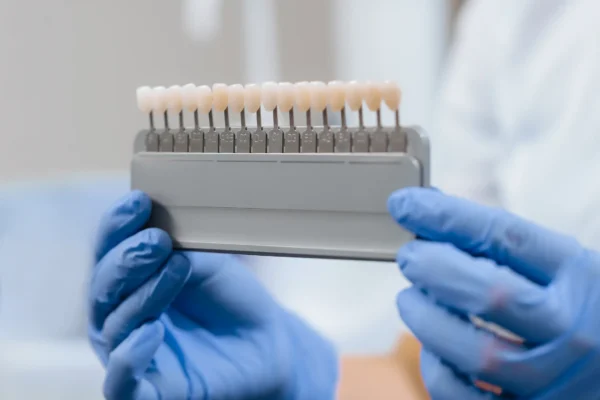
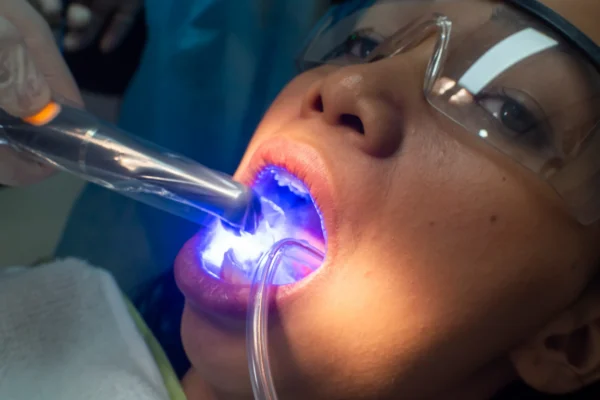

A surprising number of people walk into a dental office convinced they need a complete smile makeover when they actually need something much simpler. A small chip from biting a fork, a faint crack noticed in the bathroom mirror, stains that no whitening toothpaste seems to touch, these problems can feel bigger than they are. At the same time, some issues that look minor on the surface turn out to need more than a cosmetic touch-up.
That is the real starting point with cosmetic dentistry. Yes, it can often fix chipped, cracked, or stained teeth, sometimes beautifully and with very little treatment. But the right fix depends on what caused the damage, how deep it goes, where the tooth sits in your smile, and what you want the result to look like five years from now, not just next week.
People often use the phrase "cosmetic dentistry" as if it refers to one treatment. It does not. It is a category that includes whitening, bonding, veneers, contouring, crowns, and sometimes orthodontic or restorative work that improves appearance as much as function. The best cosmetic dentists do not just make teeth look whiter or straighter. They match color, protect healthy enamel, respect bite forces, and choose materials that suit the patient's habits and budget.
The first question is not cosmetic
Before talking about appearance, a dentist has to answer a more basic question: is the tooth healthy and stable?
A chipped front tooth after a sports accident may be a straightforward bonding case. A cracked molar that hurts when chewing may need a crown, or in some cases root canal treatment first. Brown discoloration can be a simple stain from coffee and red wine, but it can also reflect internal tooth damage, old fillings leaking at the margins, enamel defects, or decay.
This matters because cosmetic work placed on an unstable tooth rarely holds up. A veneer on a tooth with an untreated crack can fail. Whitening a tooth with internal discoloration may do very little. Bonding over decay does not solve the underlying problem. Good dentistry is rarely about the quickest visible fix.
In practice, the examination often includes photographs, a close visual inspection, bite evaluation, and X-rays when needed. If a patient says, "I just want this one tooth to look normal again," a careful dentist still checks the whole picture. The front tooth may be chipped because the patient grinds at night. The staining may be worse along one side because the mouth is dry from medication. The cracked tooth may be bearing too much pressure because the bite has shifted over time.
Chipped teeth often respond well to conservative treatment
Small to moderate chips are among the most satisfying cosmetic problems to fix because the change can be immediate. Composite bonding is often the first option. The dentist applies tooth-colored resin, sculpts it to match the natural contour, hardens it with a curing light, and polishes it so it blends in.
When it is done well, bonding can be impressively natural. The best results are not just about choosing the right shade. Natural teeth are not one flat color. They have translucency at the edges, subtle texture on the surface, and light reflection that changes from the center to the corners. Rebuilding a front tooth so it does not look "patched" takes skill and restraint.
For a small chip on an incisor, bonding is often the least invasive route because little or no healthy tooth structure needs to be removed. It is also usually more affordable than porcelain. The trade-off is durability. Bonding can stain over time, and it is more prone to chipping than ceramic, especially in patients who clench, bite nails, chew ice, or use their front teeth to open packaging.
Larger chips, especially on visible front teeth, may do better with porcelain veneers if the rest of the tooth is healthy. Veneers offer excellent esthetics and better stain resistance than composite. They are particularly useful when a tooth is chipped and also misshapen or discolored, because one restoration can address several concerns at once.
A back tooth is a different story. If a molar has lost a corner from fracture, the cosmetic side matters less than structural support. In those cases, an onlay or crown may be the more responsible answer. Patients are sometimes disappointed to hear that the "pretty" fix is not the best one, but long-term comfort and tooth survival usually matter more than conserving a cosmetic label.
A cracked tooth can mean several different things
One reason cracked teeth cause confusion is that the word "crack" covers a broad range of conditions. Tiny superficial lines in enamel, often called craze lines, are common and usually harmless. They show up in many adults, especially on front teeth. They may catch stain and become more noticeable over time, but they do not necessarily weaken the tooth.
A deeper crack is another matter. If a patient feels a sharp twinge when releasing a bite, or sensitivity that seems hard to pinpoint, the crack may extend into dentin or beyond. Those teeth often need protection before the crack spreads.
Cosmetic dentistry can help in some crack-related cases, but not all of them. Superficial stained craze lines may improve with whitening, microabrasion, bonding, or veneers, depending on severity and visibility. Structural cracks often require restorative treatment with a crown to hold the tooth together. If the crack reaches the pulp, root canal treatment may be necessary. If it travels too far below the gumline, the tooth may not be restorable.
This is where patient expectations matter. Someone may come in asking whether cosmetic dentistry can "hide" a crack. Sometimes yes, but sometimes hiding it without reinforcing the tooth would be a mistake. A crack in a front tooth that is visible but symptom-free might be managed conservatively for years. A crack in a lower molar that has started to flex under pressure needs a different level of urgency.
I have seen patients who ignored a crack because it did not hurt every day. Then they bit on something soft, not hard, and the tooth split more dramatically. Teeth do not always fail during obvious moments. They fail after repeated stress.
Stains are common, but they are not all the same
When people say their teeth are stained, they may be describing surface discoloration, deeper internal darkening, generalized yellowing with age, or patchy white and brown defects present since development. These respond very differently to treatment.
External stains sit on or near the enamel surface. Coffee, tea, tobacco, red wine, and strongly pigmented foods are frequent contributors. Professional cleaning removes some of this, and whitening may go further by lightening the tooth structure underneath. Many patients are surprised by how much brighter their smile looks after a proper cleaning alone, especially if tartar and stain have built up around the gumline.
Intrinsic stains are more complicated. A tooth that darkened after trauma can be resistant to standard whitening. Tetracycline staining, fluorosis, enamel hypoplasia, and old dental work can create uneven color that whitening only partly improves. In these cases, bonding or veneers may be the better cosmetic solution because they mask what whitening cannot change.
Age also plays a role. As enamel thins naturally over time, the yellower dentin beneath becomes more visible. That does not mean the teeth are unhealthy, but it does affect how whitening performs. Some patients in their twenties get dramatic results after one course of whitening. Others in their fifties improve nicely but do not achieve the bright opaque look they had in mind, especially if they are comparing themselves to edited photos online.
Which cosmetic dentistry treatment fits which problem?
There is no universal fix, but certain patterns show up often in practice. The treatment choice usually comes down to how much of the tooth is affected, how visible it is, and how much healthy tooth structure can be preserved.
- Whitening suits many cases of generalized staining or yellowing when the enamel is intact and the color issue is widespread rather than limited to one tooth.
- Composite bonding works well for small chips, minor shape corrections, and some localized discoloration, especially when a conservative approach is the priority.
- Veneers are useful when front teeth have a mix of cosmetic concerns, such as chips, stubborn stains, uneven edges, and slight misalignment.
- Crowns are often chosen when a tooth is cracked, heavily restored, or structurally weak and needs full coverage for protection.
- Contouring or polishing may help in small cases where a rough edge or tiny irregularity is more noticeable than serious damage.
That may sound straightforward, but real cases often overlap. A patient may need whitening first, then bonding on one front tooth so the resin can be matched to the brighter shade. Another patient may think veneers are the answer when a single crown on a dark, damaged tooth would solve the issue with less treatment overall.
Whitening is simple, but not always simple enough
Teeth whitening is often presented as the easiest cosmetic dentistry option, and from a patient perspective it usually is. There is no drilling in many cases, no anesthesia, and no major recovery. But whitening still benefits from professional judgment.
Over-the-counter products can help mild staining, though results vary widely. Custom trays from a dentist tend to offer more controlled, even whitening over time. In-office whitening can produce a faster initial change, which appeals to patients with events coming up, but it may come with temporary sensitivity.
The key limitation is one many people do not expect: whitening does not change the color of crowns, veneers, or tooth-colored fillings. If a front tooth has an old filling or bonded corner, the natural tooth may lighten while the restoration stays the same. Suddenly a previously acceptable patch stands out. That is not a failed treatment, just a common sequencing issue. Often the right plan is whitening first, waiting for the shade to stabilize, then replacing visible restorations to match.
Sensitivity is another practical concern. Most cases are manageable, but some patients with recession, exposed root surfaces, or a history of sensitivity need a slower approach. Shorter wear times, lower concentrations, or pauses between treatments can make the process much more tolerable.
Veneers can be transformative, but they are not casual
Porcelain veneers have a strong reputation because they can solve several visible problems at once. They can mask deep staining, rebuild chipped edges, improve shape, and create a more uniform smile line. When they are carefully designed, they can look beautiful without appearing artificial.
Still, veneers should not be treated like a cosmetic impulse purchase. Depending on the case, they may require enamel reduction. That means the decision carries permanence. Good candidates usually have healthy teeth and gums, realistic expectations, and specific cosmetic concerns that cannot be solved as predictably with simpler methods.
The most natural veneer cases are often the most restrained. Not every patient wants a bright, high-gloss, perfectly symmetrical result. Many want their smile to look like themselves on a very good day. A slightly softened corner, a more even length, a cleaner color, these subtler changes often age better than trend-driven aesthetics.
It is also worth noting that veneers do not make a heavy grinding habit disappear. If a patient clenches hard at night, a protective guard may be part of the treatment plan. A beautiful ceramic result still has to survive the realities of the bite.
Bonding is underrated for the right patient
Composite bonding does not get the same glamour treatment as veneers in social media before-and-after posts, but it solves a huge number of everyday cosmetic problems effectively. For young adults with small chips, for patients who want to preserve enamel, and for anyone testing a cosmetic change before committing to porcelain, bonding can be an excellent option.
It is also repairable. If a bonded edge chips, it can often be touched up without replacing the whole restoration. That flexibility is part of its appeal. The downside is maintenance. Polished composite can look excellent, but it is not as stain resistant or wear resistant as porcelain. A patient who drinks multiple coffees a day and smokes will usually notice aging sooner.
Skill matters here, perhaps more than many patients realize. Composite artistry is technique-sensitive. Shade selection, layering, edge shape, and polish quality all influence whether the result disappears into the smile or announces itself.
When the problem is not purely cosmetic
Sometimes what looks like a cosmetic problem is really a bite, alignment, or wear problem wearing a cosmetic mask.
A patient may complain about repeated chipping of the same front tooth. The deeper issue may be that the lower teeth strike it in an unfavorable way. Another patient may have generalized staining and cracks because acid erosion has softened the enamel for years. Someone else may want a crown replaced because it looks dark at the gumline, but the real need may include gum health treatment or replacement of an ill-fitting restoration.
This is one reason comprehensive planning matters. Cosmetic dentistry at its best is not just surface enhancement. It takes into account function, material behavior, and the patient’s habits. If the bite is not stable, even attractive work may not last. If gum health is neglected, esthetics suffer no matter how nice the restorations are.
What patients should weigh before choosing a fix
The decision is rarely only about appearance. It is usually a balance between preservation, longevity, cost, and how much treatment a person is comfortable with.
- How much healthy tooth structure can be preserved with the chosen treatment
- Whether the tooth needs strength and protection, not just a cosmetic improvement
- How visible the area is in the smile and how exact the shade match needs to be
- How the patient’s habits, such as grinding or smoking, may affect longevity
- Whether the result will require maintenance, future replacement, or follow-up adjustments
These conversations are where experience shows. Two treatment plans can both be technically correct, yet one may suit a patient’s life much better than the other. A teacher who drinks tea throughout the day and wants low upfront cost may reasonably choose bonding and accept more maintenance. A patient with a wedding in six months and a dark traumatized front tooth may decide veneers are worth it for predictability.
Timing, maintenance, and realistic expectations
Even the best cosmetic result is not static. Teeth age. Gum levels shift. Bonding picks up stain. Porcelain remains stable but surrounding natural teeth may darken over time. Whitening fades gradually, especially if the habits that caused the staining continue.
That does not mean cosmetic work is temporary in a disappointing sense. It means it behaves like dentistry, not like a filter. Patients do best when they understand this from the outset.
A bonded edge on a front tooth might look excellent for years with sensible care, especially if the patient wears a night guard when recommended. A veneer may last a decade or much longer, but it is still a restoration, not original enamel. A crown on a cracked molar may save the tooth and function beautifully, but it needs healthy gums toothworksofbakersfield.com Cosmetic Dentistry and good hygiene to stay successful.
Minor maintenance is not failure. Polishing a bonded area, adjusting a bite contact, replacing an old restoration when materials wear, these are normal parts of long-term care.
The best cosmetic result often looks unremarkable
That may sound odd, but it is true. The strongest cosmetic dentistry is often the work no one notices. Friends say you look refreshed, healthier, more confident, but they cannot tell why. The repaired chip no longer catches the light. The dark tooth blends back into the smile. The crack line that drew your eye every morning is no longer the first thing you see.
Can cosmetic dentistry fix chipped, cracked, or stained teeth? In many cases, yes. Sometimes with whitening. Sometimes with bonding. Sometimes with veneers or crowns. And sometimes the right answer begins with treating a structural problem first so the cosmetic improvement has a stable foundation.
The smartest next step is not choosing a procedure from a menu. It is getting a careful diagnosis from a dentist who can explain what is cosmetic, what is functional, and where those two overlap. Once that is clear, the treatment path usually becomes much easier to see.
Toothworks of Bakersfield, Dentist and Orthodontist
1030 H St #1, Bakersfield, CA 93304, United States
+1 661-323-9421
FAQ About Cosmetic Dentistry
Is bonding better than veneers?
Neither option is best for everyone. Composite bonding can address small chips, gaps, or shape concerns and is generally easier to repair. Porcelain veneers may offer greater resistance to staining and wear, but often require removal of some enamel. A dentist should assess your oral health, bite, goals, and budget before recommending treatment.
How long will dental bonding last?
Bonding commonly lasts about three to ten years before it needs repair or replacement, though this varies with the location and amount of bonding, your bite, and daily habits. Regular dental visits, good oral hygiene, and avoiding chewing hard objects can help protect it. Ask your dentist what lifespan is realistic for your particular treatment.
What are the risks of teeth whitening?
Whitening can cause temporary tooth sensitivity and gum irritation. Overuse or incorrect use may damage teeth or gums, and whitening does not change the color of existing crowns, veneers, or fillings. Have a dentist assess your teeth and gums, and follow the recommended product directions and treatment schedule.